

Author: Shane Bennett, Senior Research Analyst
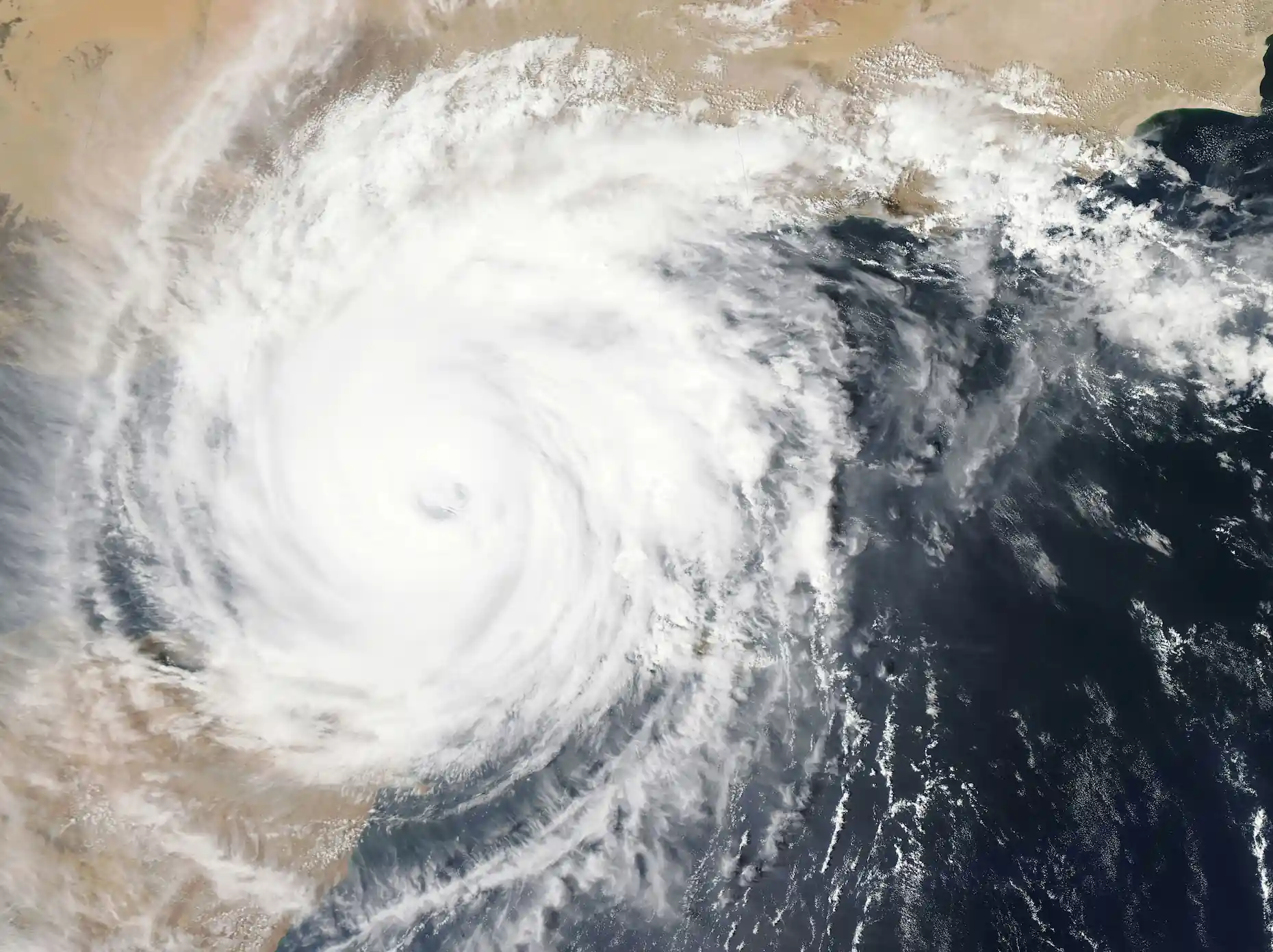
In the wake of Hurricane Melissa (the most powerful Atlantic hurricane to make landfall in nearly a century), publicly listed companies on the Jamaica Stock Exchange (JSE) are facing significant challenges. Early estimates put damages at US$6–7 billion, about a third of Jamaica’s annual GDP. Major sectors such as financial services, and food and beverage have been especially affected. Investors seem to be reacting quickly, as all nine JSE indices saw declines during the trading week ending November 7, 2025. This sell-off could be due to investors needing cash for emergencies or recovery, but it also highlights concerns about the short- to medium-term outlook for the equity market. It’s important to consider both the storm’s effects on the local economy and the potential for continued weak performance in other asset classes over the coming months.
The economic fallout will impact each industry differently. In financial services, banks and lenders may see a rise in non-performing loans as many borrowers (both small businesses and individuals) struggle to repay debts due to lost income and business disruptions. This could lead to higher loan loss provisions and lower profits for banks. However, those with diversified loan portfolios and careful lending practices should be better equipped to handle these shocks. The pace of economic recovery and government support will also play a big role in how well financial institutions cope.
Insurers, especially those offering property and casualty coverage, are likely to face a surge in claims and payouts. This could force them to sell off investments below fair value, potentially resulting in realized losses that hurt earnings. While local insurers often rely on international reinsurers to share risk, higher reinsurance costs could further squeeze profitability.
Food and beverage companies are dealing with supply chain disruptions, production limits, and volatile prices for raw materials. Lower employment and reduced economic activity may mean weaker sales, while increased costs (especially for imported goods, as local agriculture recovers) could shrink profit margins. Some companies may be better positioned depending on their cost basis or the demand of their products, but overall, competitive pressures are likely to increase as consumers become more selective.
Beyond stocks, it’s also important to look at fixed income instruments. For short-term (money market) investment instruments, expectations about the central bank’s policy rate will be key. After Hurricane Beryl last year, inflation rose as food supplies fell, making the outlook for inflation uncertain. Now, with Hurricane Melissa causing even greater damage, inflation could stay elevated, potentially keeping the policy interest rate higher for longer. This may make money market instruments more attractive in the short term while weighing on equities.
Alternatively, if the economy slows sharply, the central bank might lower rates to support growth, which could boost the appeal of long-term bonds. So far, the recent market sell-off has mostly affected equities, while Jamaica’s government bonds (JAMANS) have remained stable, reflecting investor confidence in the country’s fiscal management. However, if storm damages lead to lower tax revenues and more government borrowing, sovereign debt yields could rise, offsetting the benefits of lower rates. Investors should keep an eye on government debt strategy and JAMAN performance.
Corporate debt is also at risk, as weaker business performance could impact companies’ ability to make interest payments. Investors need to carefully select which companies to invest in, reducing exposure to those most likely to struggle in the downturn.
Another concern is exchange rate volatility and the country’s international reserves. Increased reliance on imports for recovery and disruptions in key export sectors like tourism and agriculture could widen the current account deficit and put pressure on the Jamaican dollar. If foreign exchange inflows fall or capital leaves the country, reserves could decline, potentially triggering further currency weakness. This would affect the central bank’s policy decisions and the attractiveness of local assets. As such, investors might benefit from holding more US dollar–denominated assets in the near term.
As Jamaica starts to recover, its financial markets are at a crossroads. Sectors like financial services and food and beverage are under stress, and investor confidence is shaky. Recovery will depend on how quickly the economy rebounds, and how investors manage new risks. Fixed income markets may provide more stability than equities in the short term, but government debt and the exchange rate fluctuations require close monitoring. Greater import dependence, fluctuating foreign exchange, and pressures on reserves will shape investment decisions. For investors, flexibility, vigilance, and strong risk management will be key as Jamaica navigates this challenging period.